Your Roof's Secret Weapon: How Proper Attic Ventilation Maximizes Lifespan
A new roof is one of the most significant investments you'll make in your home. You choose the best materials and a trusted contractor, expecting decades of protection. But what if a hidden issue in your attic could cut that lifespan short? For many homeowners in Brampton and Peel Region, improper attic ventilation is that silent threat, leading to premature aging, costly repairs, and even higher energy bills.
Your attic needs to breathe. Just like us, it needs a way to inhale fresh air and exhale stale, damaging air. This constant circulation is the key to preventing a host of problems caused by our region's dramatic temperature swings—from sweltering summer heat to deep winter freezes. In this guide, we'll explore why attic ventilation is so crucial, how to spot the warning signs of a problem, and what a correctly balanced system looks like. Protecting your investment starts from the top down, and it begins with understanding what's happening in the space right below your roof.
What is Attic Ventilation and Why is it Crucial for Your Roof?
Simply put, attic ventilation is a system that creates continuous airflow through your attic. It works through a balanced exchange: cool, dry air is drawn in through intake vents (usually in your soffits, under the eaves), and warm, moist air is pushed out through exhaust vents located near the peak of the roof. Without this cycle, your attic becomes a trapped air pocket, and that's where the trouble begins.
In the Summer: The sun beats down on your roof, and the air in an unventilated attic can soar to over 65°C. This intense, trapped heat essentially 'bakes' your asphalt shingles from the underside. This process accelerates the loss of protective granules, causes shingles to become brittle and curl, and drastically shortens the life of your entire roofing system. It also forces your air conditioner to work overtime, leading to unnecessarily high hydro bills.
In the Winter: Our daily activities—showering, cooking, even breathing—release warm, moist air that rises into the attic. Without proper ventilation to exhaust it, this moisture condenses on the cold underside of your roof deck. This can lead to wood rot, mold growth, and saturated insulation that loses its effectiveness. More critically, it's a primary cause of ice damming. When heat escapes into the attic and warms the roof, it melts snow, which then refreezes at the colder eaves. This creates a dam of ice that blocks water from draining into the eavestroughs, forcing it back up under your shingles and into your home.
Telltale Signs of an Unhealthy Attic
How can you tell if your attic is struggling to breathe? Fortunately, your home often provides clues. A quick check for these symptoms can help you catch a ventilation problem before it causes major damage.
Common Warning Signs:
- Excessive Heat on Upper Floors: If your home's second story feels stuffy and is consistently much warmer than the main floor in the summer, it's a strong indicator of a super-heated attic.
- Visible Frost in the Attic: During a cold snap, check your attic. If you see frost or ice on the underside of the roof sheathing or on the nail heads, it's a clear sign that warm, moist air is trapped and condensing.
- Persistent Ice Dams: While small icicles can be normal, thick ridges of ice along your eaves are a classic symptom of poor ventilation and insulation, signaling that your roof is at risk of water damage.
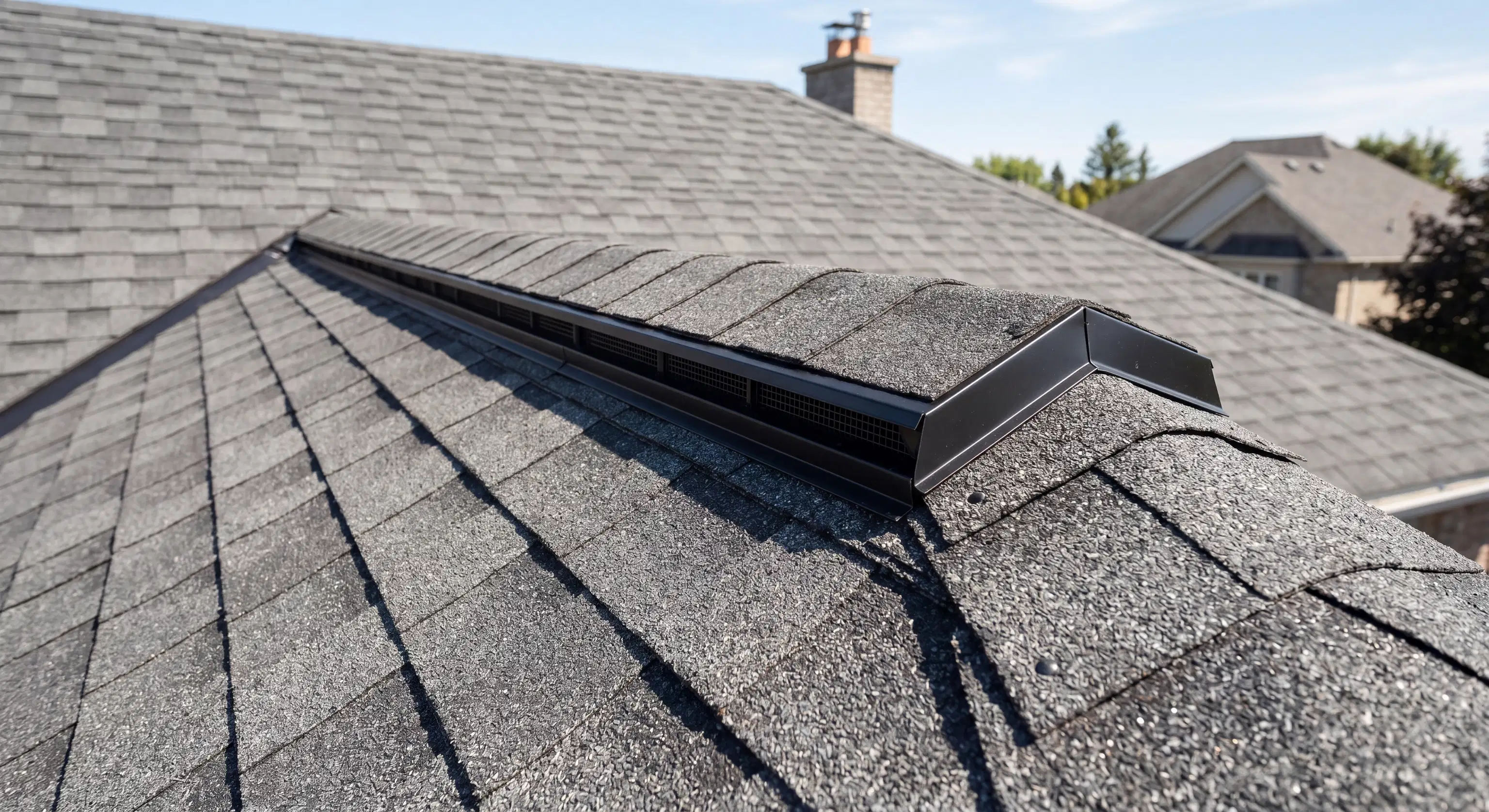
- Curling or Cracking Shingles: Take a look at your roof from the ground. If your shingles appear warped, cracked, or are losing their granular surface long before their warranty is up, a hot attic is a likely culprit.
- Dark Stains or Musty Odors: Water stains on your ceilings or a musty smell in the attic point directly to a moisture problem, often stemming from condensation caused by inadequate airflow.
The Components of a Balanced Ventilation System
An effective ventilation system isn't just about having a few vents on your roof; it's about creating a balanced system where intake and exhaust work in harmony. Having too much exhaust without enough intake, or vice versa, can be just as ineffective as having no ventilation at all.
-
Intake Vents: Located in the soffits (the underside of your roof's overhang), these vents are the starting point. Their job is to draw in cool, outside air into the attic. A common and critical failure point is blocked soffits. Often, insulation can be mistakenly pushed into the eaves, cutting off this vital airflow. Part of any professional roof inspection should involve ensuring these pathways are clear. If soffits are damaged or blocked, soffit repair and replacement is essential.
-
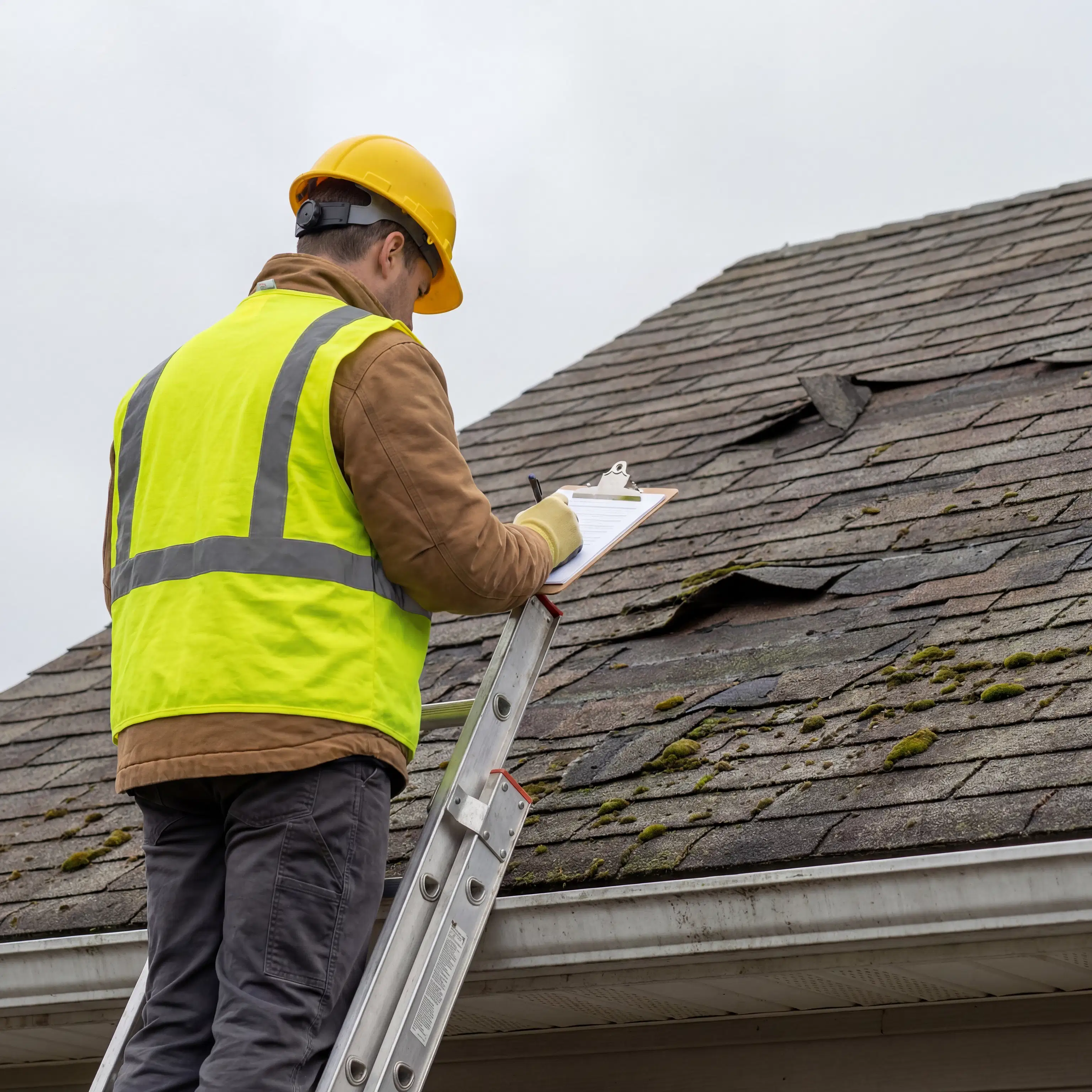
Exhaust Vents: Positioned at or near the highest point of the roof, these vents allow hot, humid air to escape as it naturally rises. There are several types, including box vents, ridge vents, and high-efficiency turbine or 'maximum' ventilators, which we often recommend for their superior performance in moving large volumes of air.
The goal is to have the amount of intake ventilation match the amount of exhaust ventilation. This balance creates a smooth, consistent flow that continuously flushes the attic with fresh air, protecting your roof structure and shingles year-round. A professional assessment is the best way to determine the right amount and type of attic venting for your home's specific design.
Ensure Your Roof is Built to Last with Gold Standard Exteriors
Your roof is more than just shingles; it's a complete system. At Gold Standard Exteriors, we believe that proper attic venting installation is a non-negotiable part of any quality roof replacement. Our process begins with a comprehensive inspection of your entire roofing system, including a detailed assessment of your attic's current ventilation and insulation.
We check for blocked soffits, calculate the precise ventilation your home requires based on its size and roof design, and recommend the most effective solutions to ensure a balanced, long-lasting system. By addressing airflow, we don't just install a new roof—we ensure it performs optimally for its entire intended lifespan, saving you money on energy and protecting you from future repairs.
Don't let a hidden problem compromise your home. If you're planning a roof replacement or are concerned about the health of your attic in the Brampton area, contact us today. We offer transparent, no-obligation estimates to help you protect your home and your investment.