Why Roof Valleys Leak During Winter Thaws
Living in The GTA means preparing your home for some intense weather fluctuations. We all know the familiar cycle: heavy snowfall followed by a sudden warm spell, melting the snow, only for temperatures to plunge back below freezing. While this freeze-thaw cycle is just part of our local climate, it puts incredible stress on your home's exterior—especially your roof valleys.
Your roof valleys are the V-shaped channels where two sloping roof panels meet. They are designed to act as troughs, directing rainwater and melting snow safely down into your eavestroughs. Because they handle the highest volume of water on your roof, they are also the most vulnerable to leaks when winter weather takes its toll. If you have noticed water stains on your ceilings or peeling paint inside your home after a warm winter day, a compromised roof valley might be the culprit.
The Hidden Causes of Roof Valley Leaks in Winter
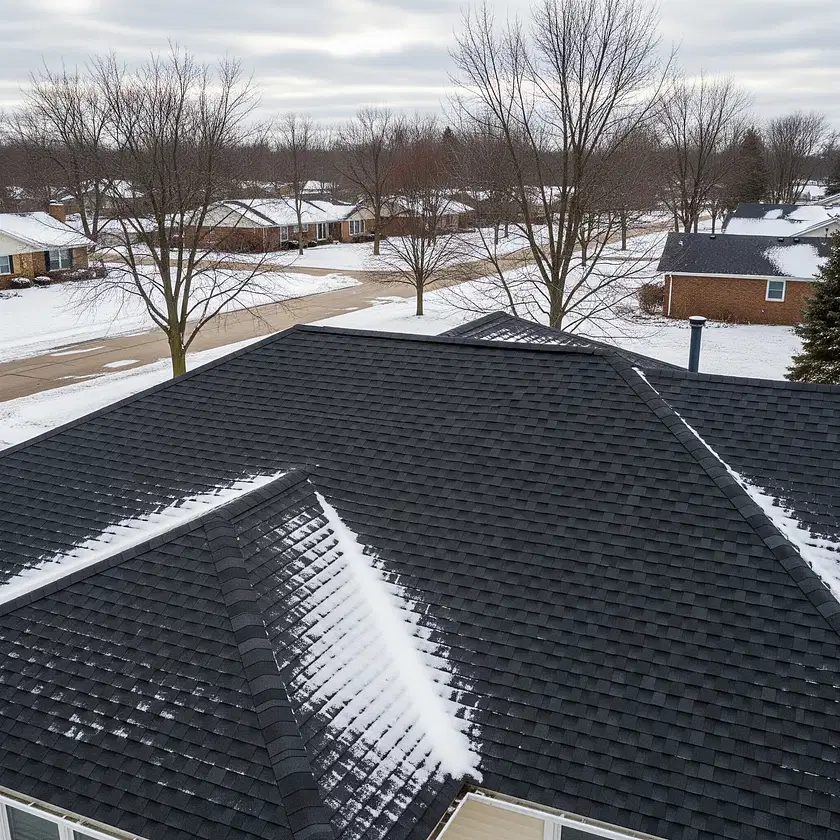
One of the most common questions we hear is about the specific causes of roof valley leaks in winter. The primary offender is a phenomenon known as ice damming. When heat from your living space escapes into a poorly insulated attic, it warms the upper sections of your roof. This heat melts the snow, sending water trickling down the roof valley.
However, the lower edges of your roof remain freezing cold. When that melted snow reaches the bottom of the valley, it refreezes, creating a solid block of ice known as an ice dam. As more snow melts, the water has nowhere to go. It pools behind the ice dam and eventually backs up underneath your shingles.
Unfortunately, many homeowners discover that their roofing was installed by contractors who cut corners to offer a lower price. If a valley was installed without a high-quality waterproof underlayment—specifically an ice and water shield—that pooling water will easily penetrate the roof deck and enter your home. Over time, repairing damaged valley underlayment after thaw becomes a necessity to protect your home's structural integrity.
Preventing Winter Leaks in Shingle Roof Valleys
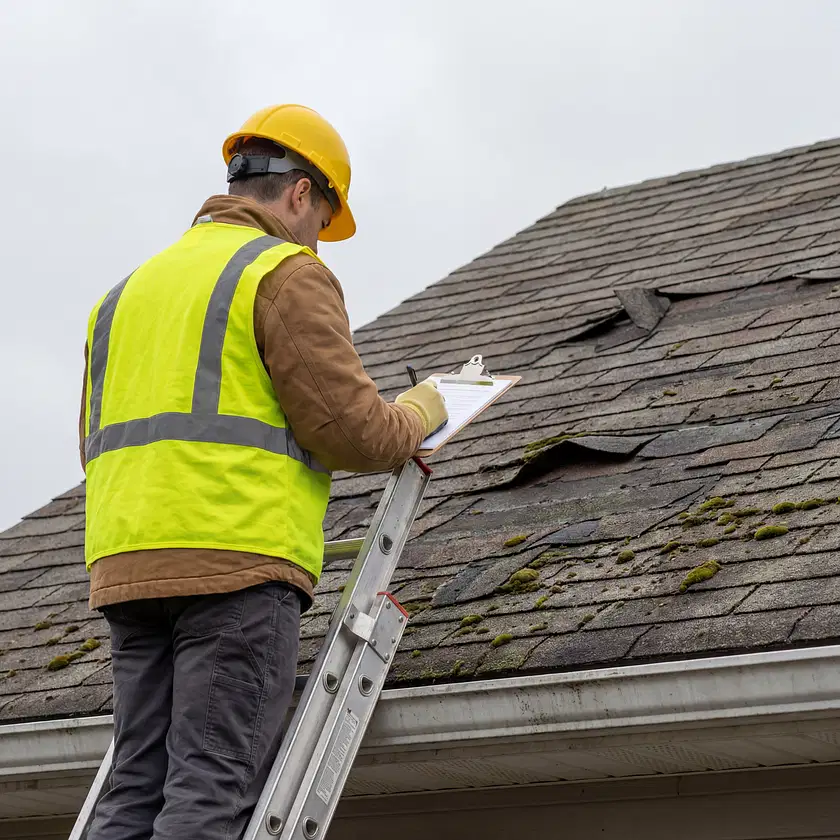
Stopping these leaks requires a proactive approach. The best defense against winter leaks is a combination of proper attic ventilation, adequate insulation, and expert installation techniques.
Upgrading your attic ventilation is critical. By allowing trapped warm air to escape, your roof deck stays at a consistent, cold temperature, preventing the uneven melting that causes ice dams. As a bonus, proper ventilation and insulation make your home significantly more energy-efficient, which can help lower those rising hydro bills.
When we install a new roof, our process is designed to withstand harsh Canadian winters. We rely on premium Canadian-made materials like IKO Dynasty shingles and meticulously apply an ice and water shield membrane directly into the valleys and along the eaves. This membrane acts as a waterproof secondary barrier. Even if water manages to get under the shingles, this shield prevents it from reaching the wood deck below. This level of detail is what separates reliable roofing companies from unqualified contractors who leave homes vulnerable to the elements.
Professional Solutions for Lasting Peace of Mind
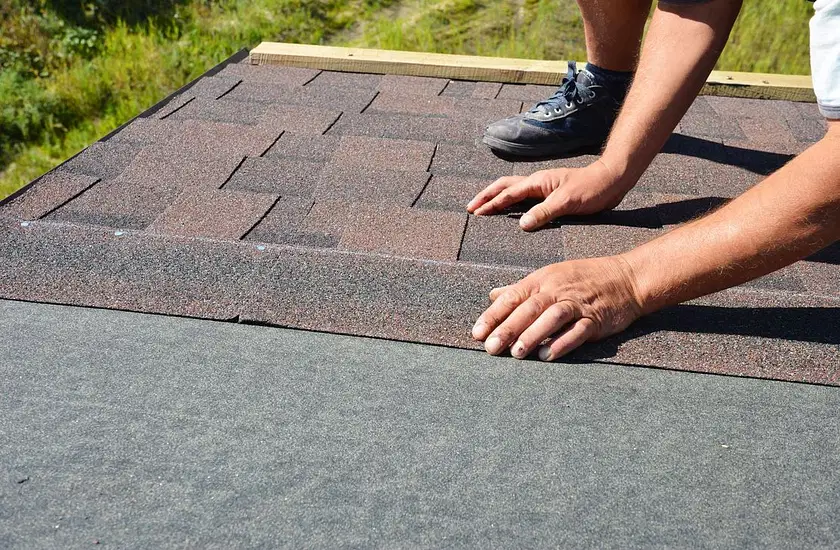
If you suspect your roof has suffered winter damage, getting a prompt, professional assessment is vital. Small leaks can quickly lead to severe mold, rotted wood, and damaged insulation if left unaddressed. Because climbing a snowy roof is incredibly dangerous, it is important to rely on licensed professionals who are fully insured and WSIB compliant.
At Gold Standard Exteriors, we take the guesswork out of roofing repair by utilizing advanced drone technology for our inspections. This allows us to safely and accurately pinpoint the source of a leak without causing further damage to brittle winter shingles. We believe in complete transparency, providing detailed written estimates so you understand exactly what your home needs, with no hidden surprises.
Whether you need an emergency roof repair to address an active valley leak or you are considering a complete roof replacement to secure your home for decades to come, our experienced team is here to help. We back our installations with a 10-year workmanship warranty, ensuring you have a set-it-and-forget-it solution. Contact Gold Standard Exteriors today to schedule your comprehensive inspection and keep your Orangeville home safe and dry, no matter what the winter weather brings.