
Don't Let Ice Dams Damage Your Home: An Orangeville Homeowner's Guide
Winter in Orangeville can be beautiful, but it also brings unique challenges for homeowners. One of the most destructive and misunderstood issues is the formation of ice dams along the edge of a roof. You’ve likely seen them: thick ridges of ice with long, menacing icicles. While they might look picturesque, they can be a sign of a serious problem, leading to water backing up under your shingles, leaking into your attic, and causing significant damage to your ceilings, walls, and insulation. The good news is that preventing ice dams isn't about a quick fix; it's about understanding how a complete roofing system works to protect your home. In this guide, we'll break down what causes ice dams and how the right combination of insulation, ventilation, and roofing materials can keep your home safe and dry all winter long.
What Really Causes Ice Dams?
Many people believe that ice dams are caused by clogged eavestroughs or simply a bad winter. While these can be contributing factors, the root cause actually starts inside your home, specifically in your attic. An ice dam forms through a specific sequence of events driven by heat loss:
- Heat Escapes: Warm air from your living spaces rises and escapes into the attic. If your attic is poorly insulated, this heat warms the underside of your roof deck.
- Snow Melts: The warmth from the attic melts the layer of snow on your roof from the bottom up, even when the outside air temperature is below freezing.
- Water Refreezes: The melted snow (water) runs down the slope of your roof until it reaches the cold eaves and gutters, which are not warmed by the attic's heat. Here, the water refreezes, creating a small ridge of ice.
- The Dam Builds: As this cycle continues, the ridge of ice grows larger, forming a dam. This dam traps the water flowing down the roof behind it.
- Water Intrusion: With nowhere else to go, the pooled water backs up and seeps underneath your shingles, penetrating the roof deck and leaking into your home.
This entire process is made worse by the freeze-thaw cycles common in our Ontario climate. Understanding this cause-and-effect relationship is the first step toward a permanent solution.
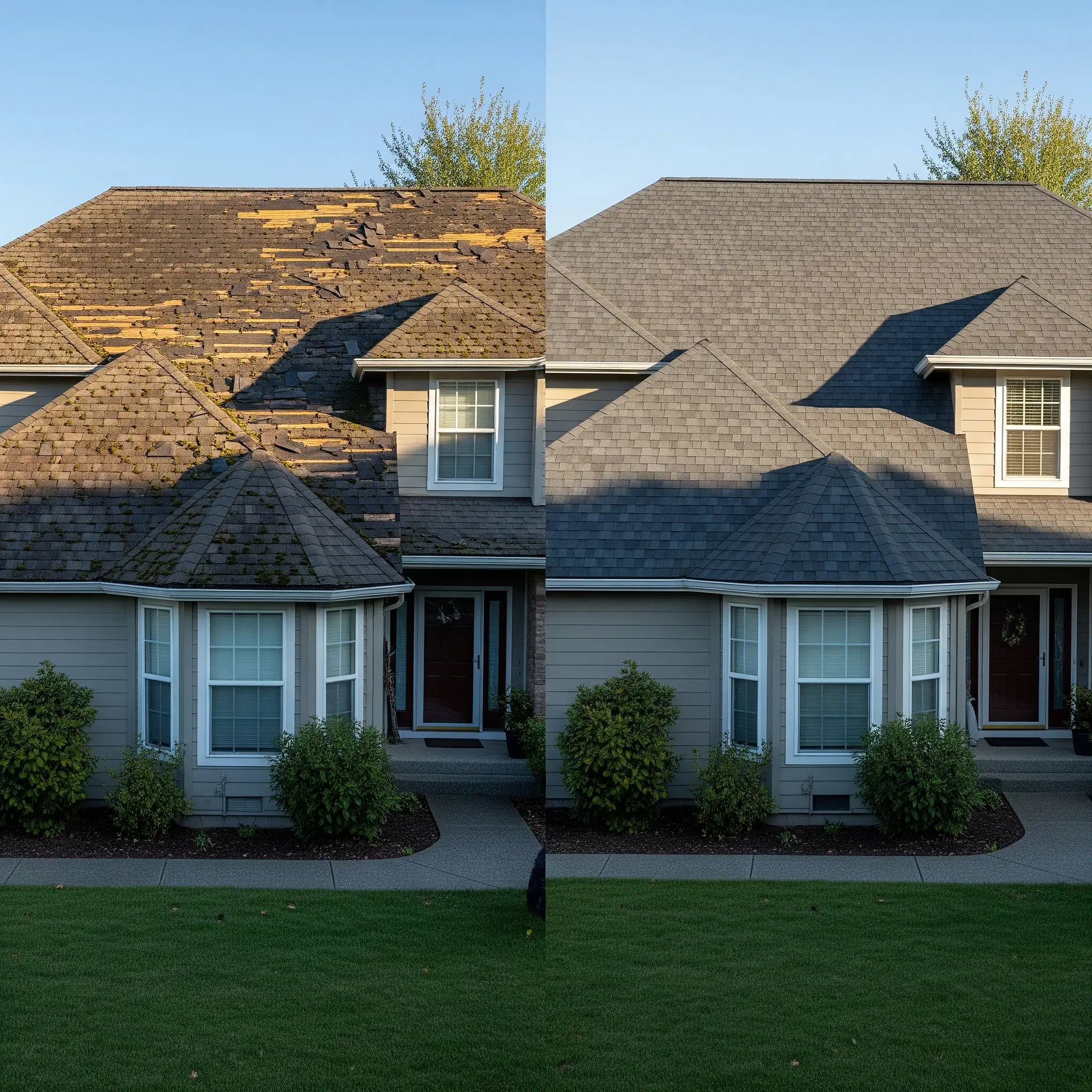
Your First Line of Defense: A Cool Attic
The most effective way to prevent ice dams is to keep your entire roof surface consistently cold. This might sound counterintuitive, but a cold roof prevents snow from melting in the first place. This is achieved through a two-part strategy inside your attic.
Proper Attic Insulation
Your attic insulation acts as a thermal barrier, keeping the heat generated in your home where it belongs—in your living space. When insulation levels are up to the current Ontario Building Code standards, very little heat escapes into the attic. This keeps the roof deck cold, close to the outdoor ambient temperature. A well-insulated attic not only helps prevent ice dams but also significantly improves your home's energy efficiency, which can help with those hydro bills.
Effective Attic Ventilation
Insulation works hand-in-hand with proper attic ventilation. A well-designed ventilation system continuously circulates cold, dry air throughout the attic. This is typically done through soffit vents (under the eaves), which draw in outside air, and exhaust vents (near the peak of the roof), which let warm, moist air escape. This constant airflow ensures any small amount of heat that does enter the attic is whisked away before it can warm the roof deck. We often check for blocked soffits and recommend high-efficiency ventilators to ensure the system is working at its best.
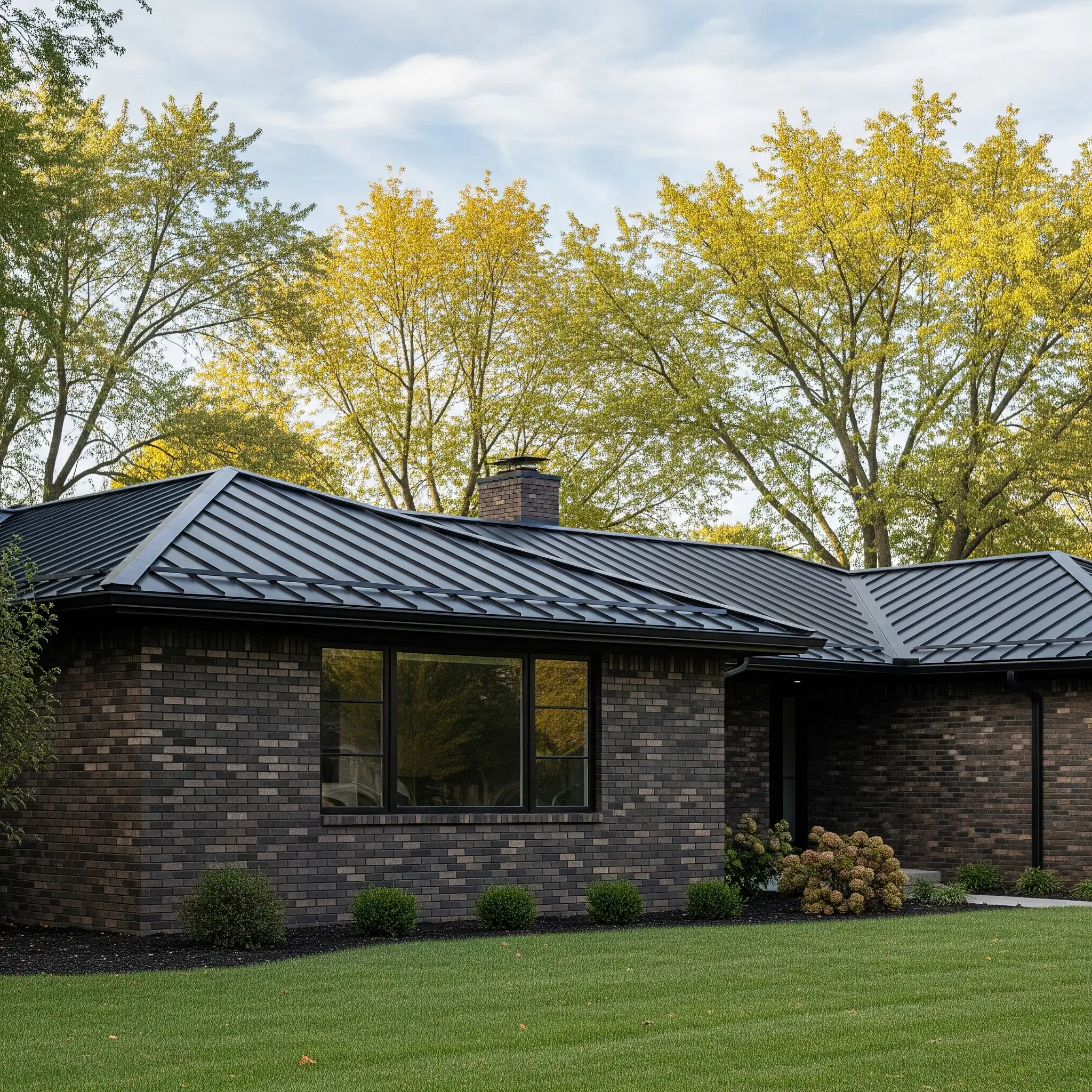
Your Second Line of Defense: A Modern Roofing System
While a cool attic is the primary defense, a properly installed roofing system provides a crucial secondary barrier against water intrusion, especially during the harshest winter weather.
The Importance of Ice and Water Shield
An ice and water shield is a specialized, self-sealing waterproof membrane that gets installed directly onto the roof deck before the shingles go on. It is a non-negotiable component for homes in our climate. This membrane is applied along the most vulnerable areas of your roof, including the eaves, valleys, and around skylights or chimneys. If any water does get past your shingles due to an ice dam, this shield provides a final, waterproof barrier that prevents it from reaching the wood decking and leaking into your home.
Quality Materials and Professional Installation
Even with the right protective layers, the quality of the materials and the workmanship matters. Using durable, high-quality shingles designed for Canadian weather, like the IKO Dynasty shingles we install, ensures your roof can withstand extreme temperature fluctuations. However, these components must be installed correctly as part of an integrated roofing system. A professional installation ensures that every part—from the ventilation and ice shield to the shingles and flashing—works together to provide maximum protection.
Protect Your Home This Winter
Ice dams are more than just a winter nuisance; they are a clear warning sign that your home's roofing system isn't performing as it should. Ignoring them can lead to costly and stressful problems, from water-stained ceilings to rotted roof structures. The best approach is a proactive one that addresses the root causes: heat loss and inadequate water protection.
If you've noticed ice dams on your home or are concerned about your roof's ability to handle another tough winter in Orangeville, we're here to help. Contact Gold Standard Exteriors today for a comprehensive roof inspection. We can assess your attic's insulation and ventilation, check for signs of existing damage, and provide a clear plan to protect your home. Whether you need a simple roof repair or a complete system upgrade, our team is committed to providing a long-term, worry-free solution.